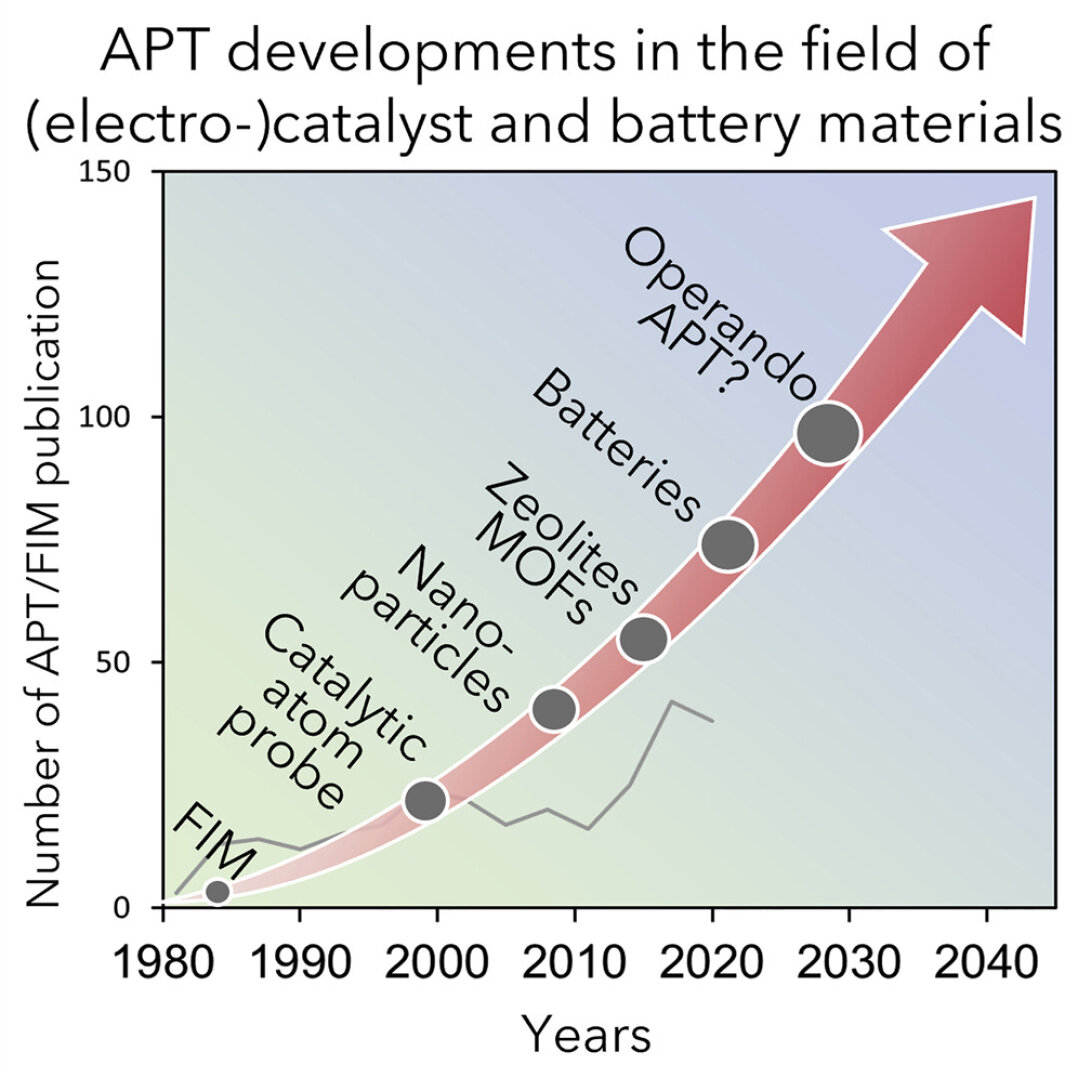
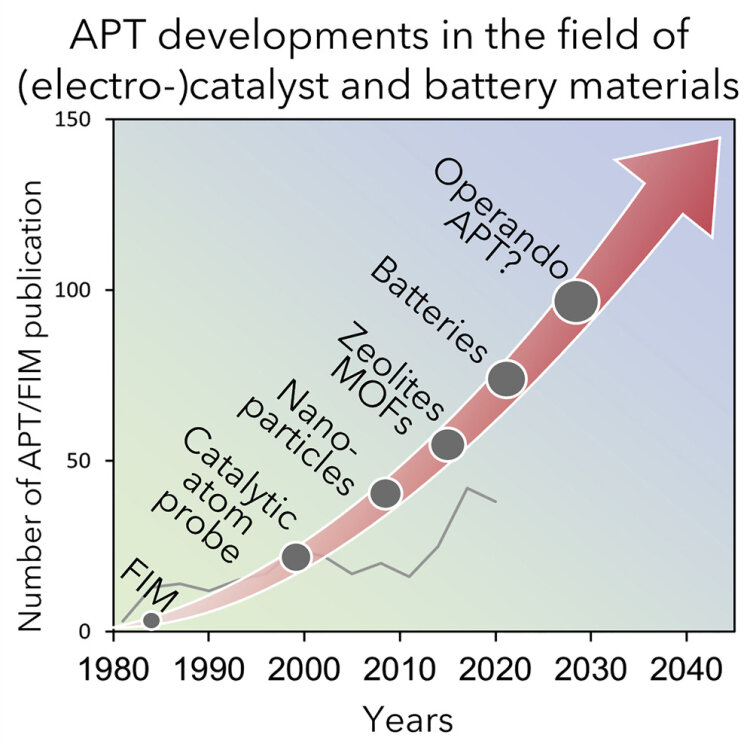
My current research focus is to develop correlative multimodal approaches centered around atom probe tomography to reveal atomic-scale structural and compositional changes at electrolyte/electrode interfaces. I am keen to provide mechanistic insights into how battery interfaces work. Our goal is to optimize electrode/electrolyte interfaces and interphases for lithium metal and zinc ion batteries.
I am also interested in designing and fabricating oxide and alloy nanoparticles for water electrolyzers and fuel cells. We aim to provide a fundamental understanding of elementary processes occurring at the electrode/electrolyte interfaces during electrocatalytic reactions.
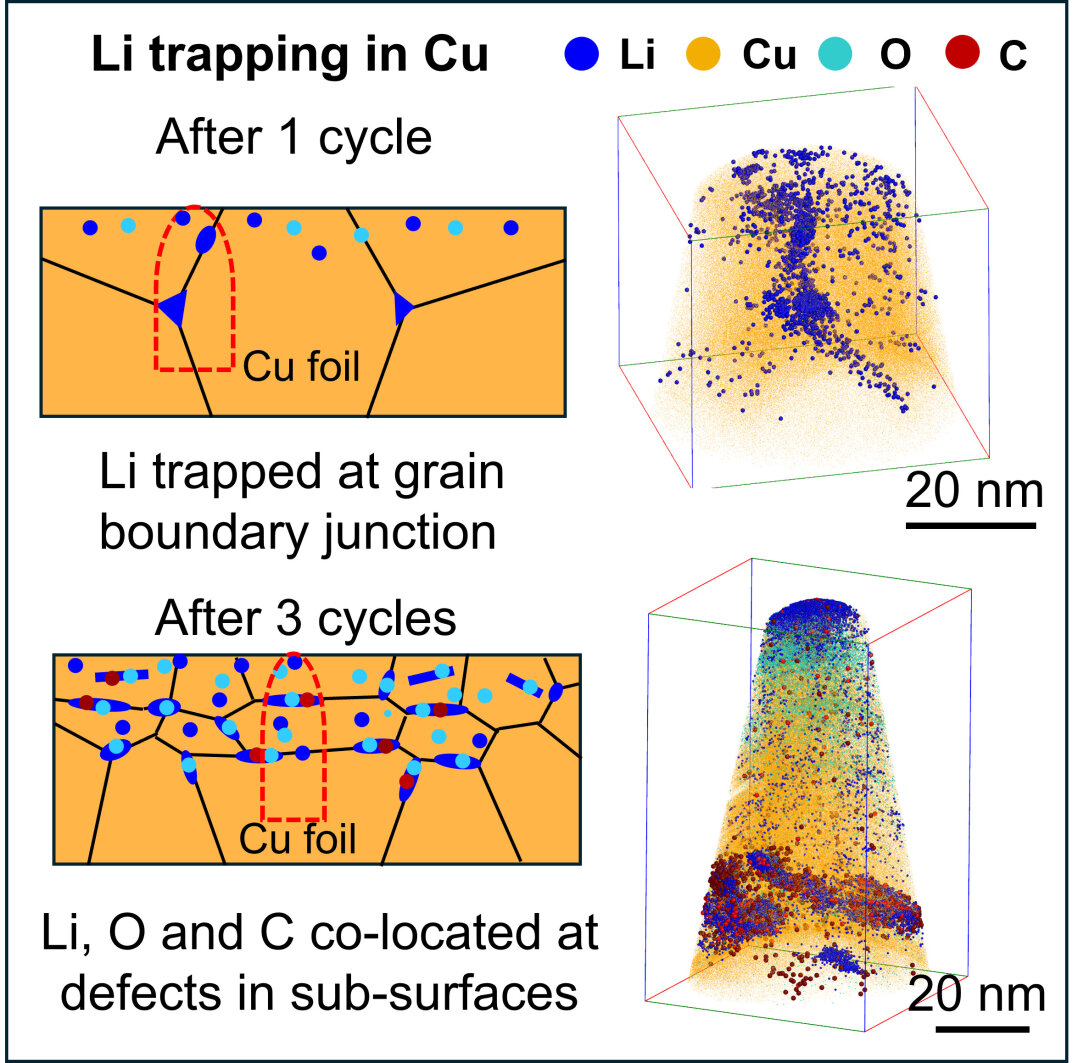
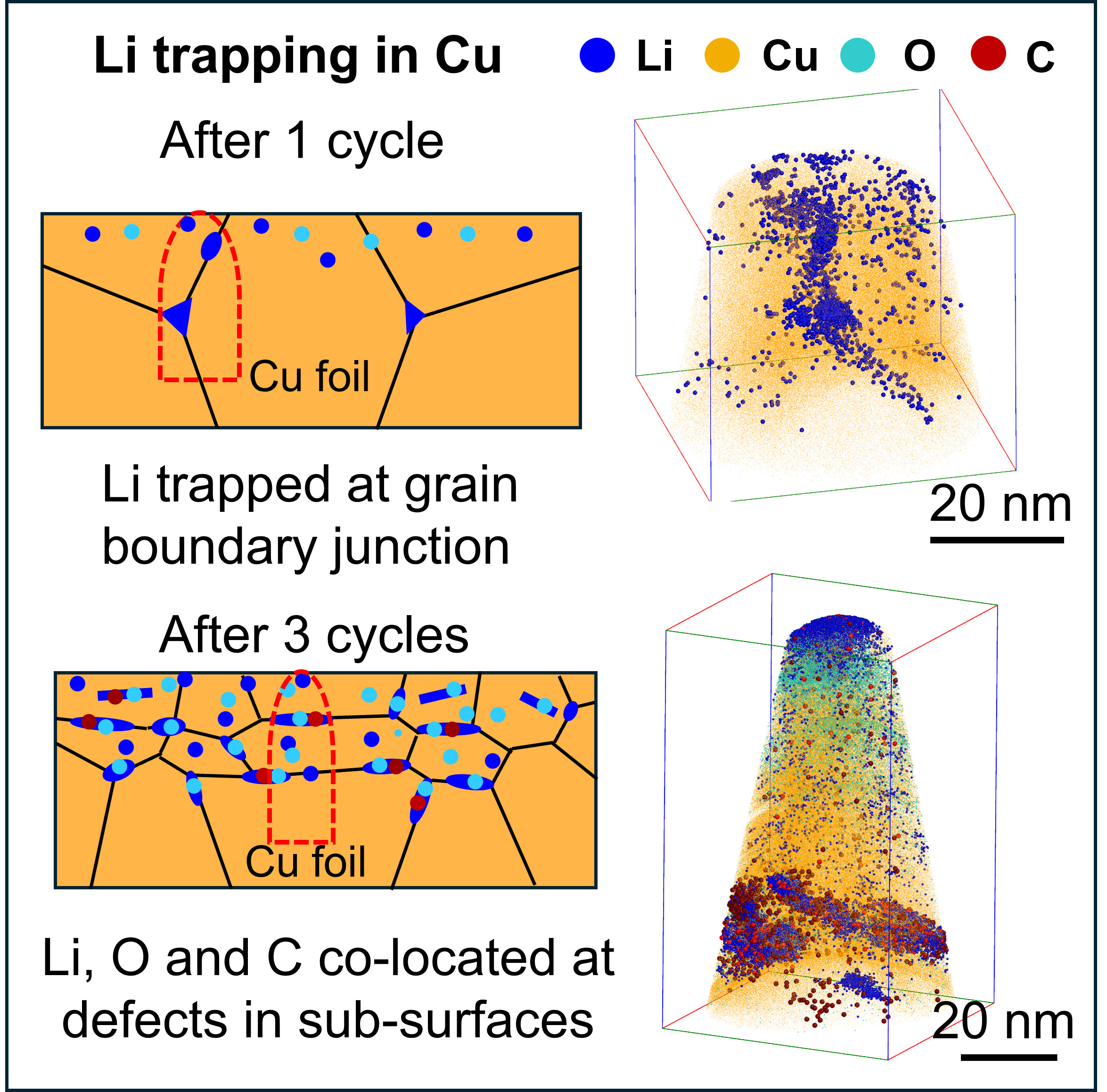
The performance of zero-excess lithium-metal batteries is limited by irreversible lithium losses during cycling. Using atom probe tomography, we uncover lithium trapping and microstructural degradation in copper current collectors, providing new insights into capacity fading.
T. Li, C. Franke, Z. Lyu, O. Ashfaq, M. Soans, M. Sotoudeh, T. Diemant, J. Xia, A. Kostka, D. Bresser, Advanced Energy Materials (2026) e71291.
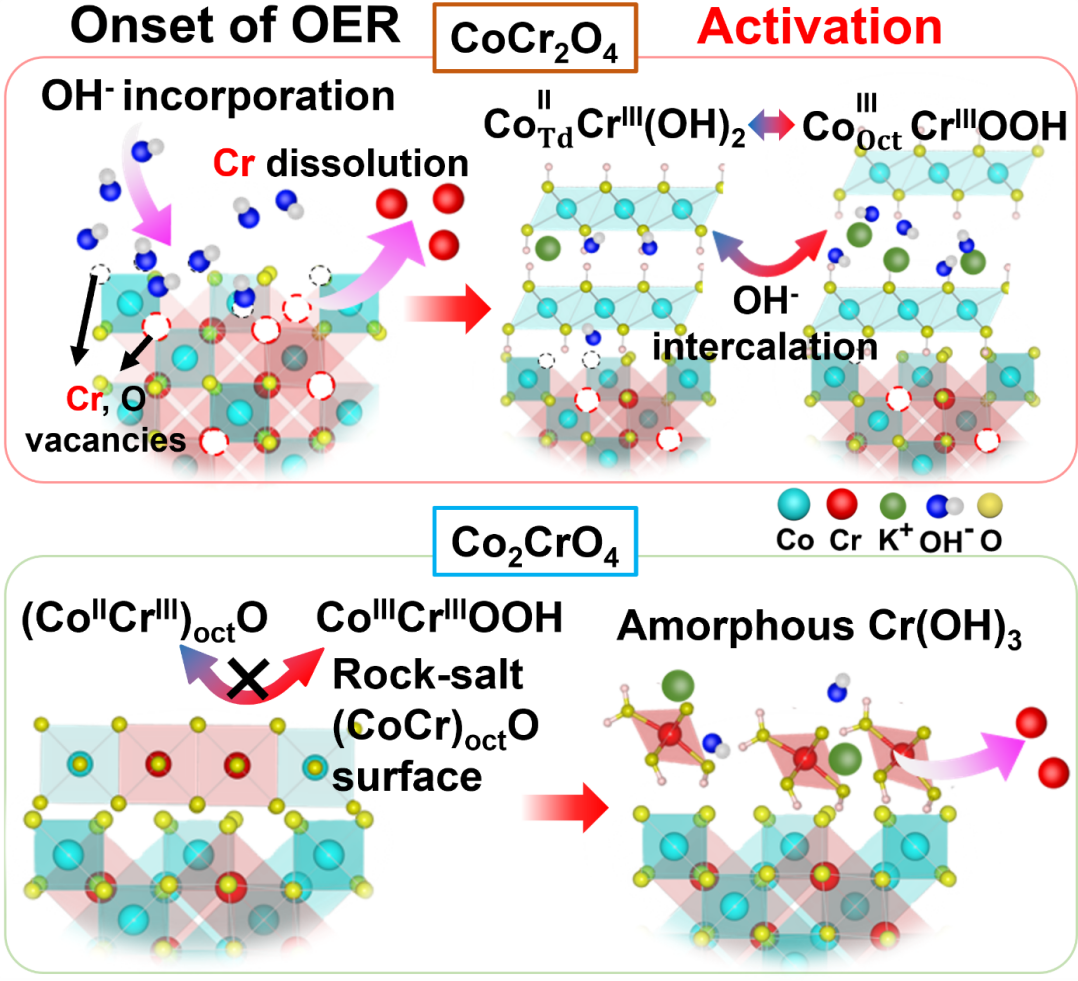
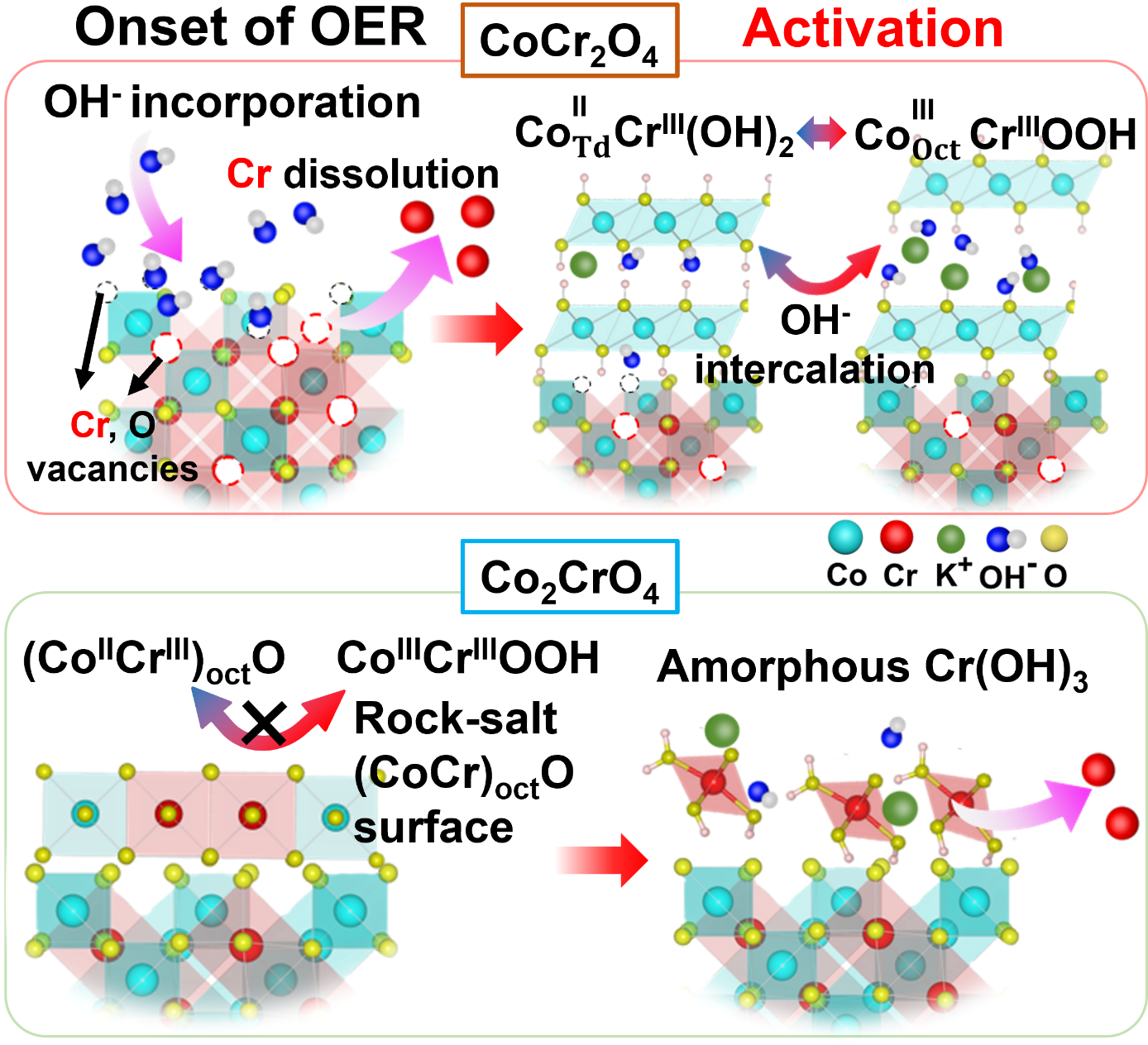
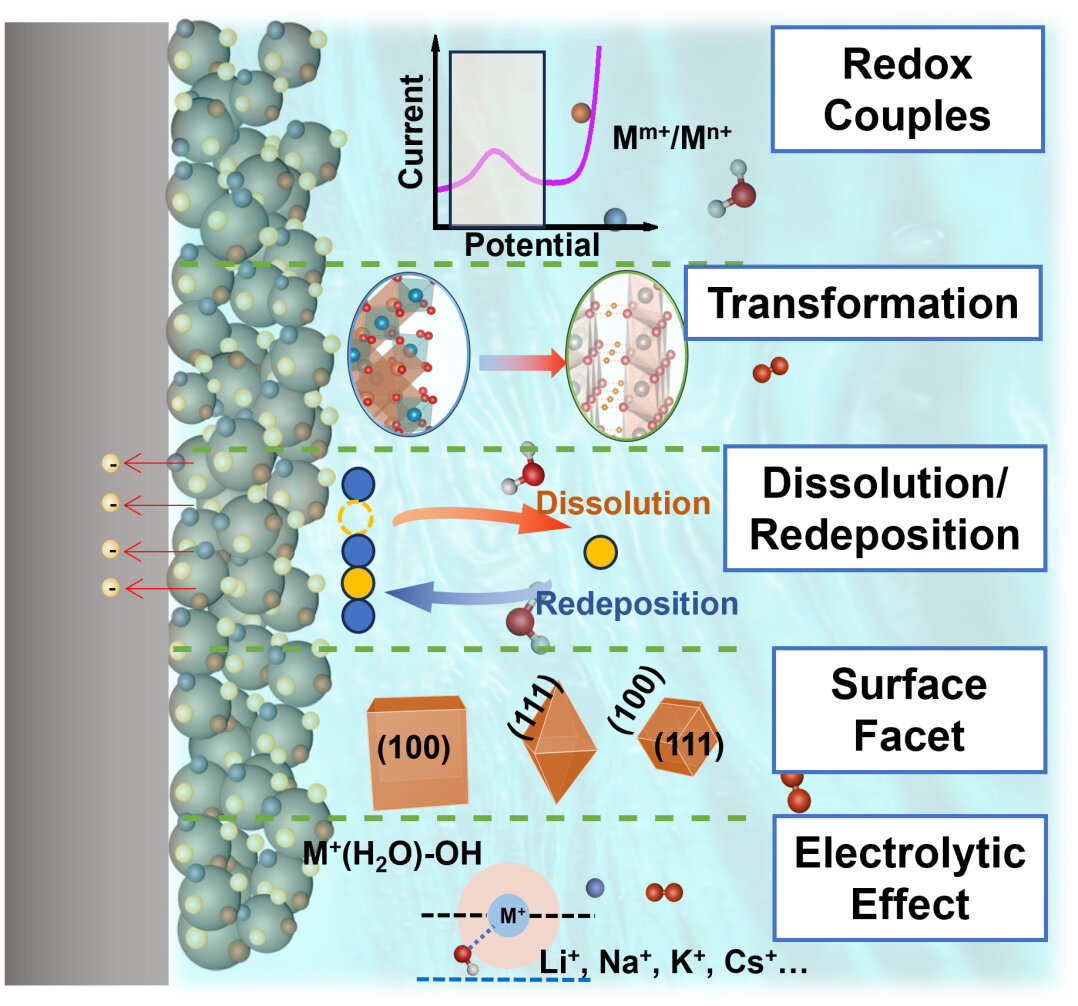
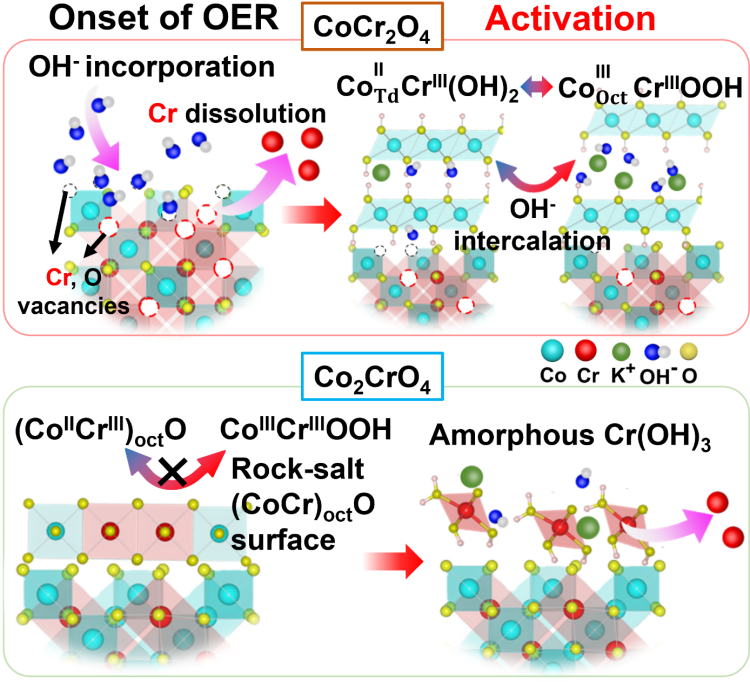
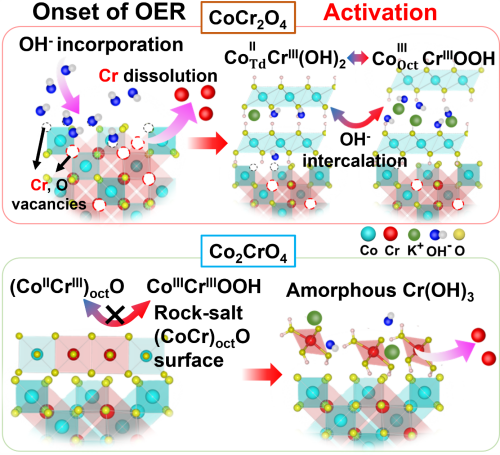
During the oxygen evolution reaction (OER), electrocatalysts undergo surface transformation. We found that Cr dissolution in Co-Cr spinel oxide triggers reversible hydroxide-to-oxyhydroxide transformation that enhances OER activity and stability.
B. He, P. Hosseini, T. Priamushko, O. Trost, E. Budiyanto, C. Bondue, J. Schulwitz, A. Kostka, H. Tüysüz, M. Muhler, S. Cherevko, K. Tschulik, T. Li, Nature Communications (2025) 9895.
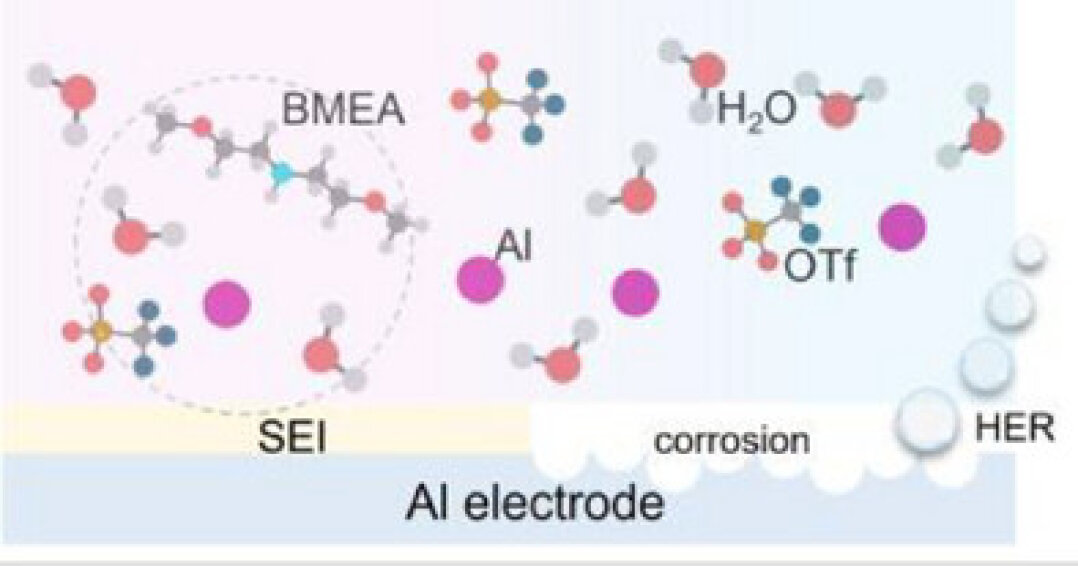
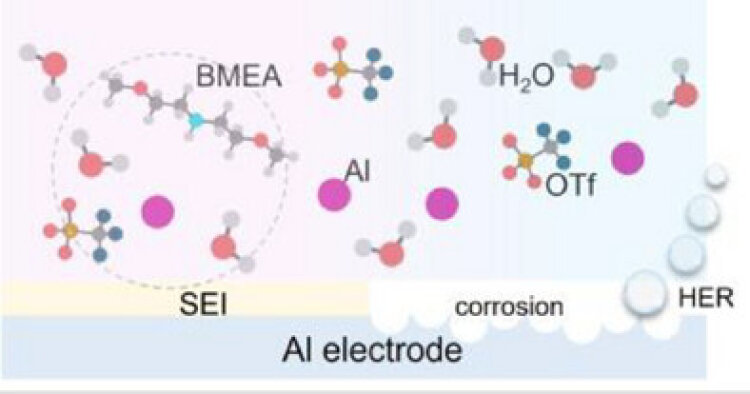
This study addresses key challenges in aqueous aluminum-ion batteries by introducing the chelating agent Bis(2-methoxyethyl)amine (BMEA) to restructure the solvation environment and suppress detrimental side reactions. By forming a stable solid-electrolyte interphase and expanding the electrochemical window, the BMEA-based electrolyte enables a high-capacity (218.0 mAh g⁻¹) Al||TCB battery with excellent cycling stability over 300 cycles.
D.Y. Wang, E. Hu, G. Wu, H. Choo, C. Franke, B.E. Jia, J. Song, A. Sumboja, I.T. Anggraningrum, A.Z. Syahrial, Q. Zhu, M.F. Ng, T. Li, Q. Yan, Angewandte Chemie (2025) e202508641.
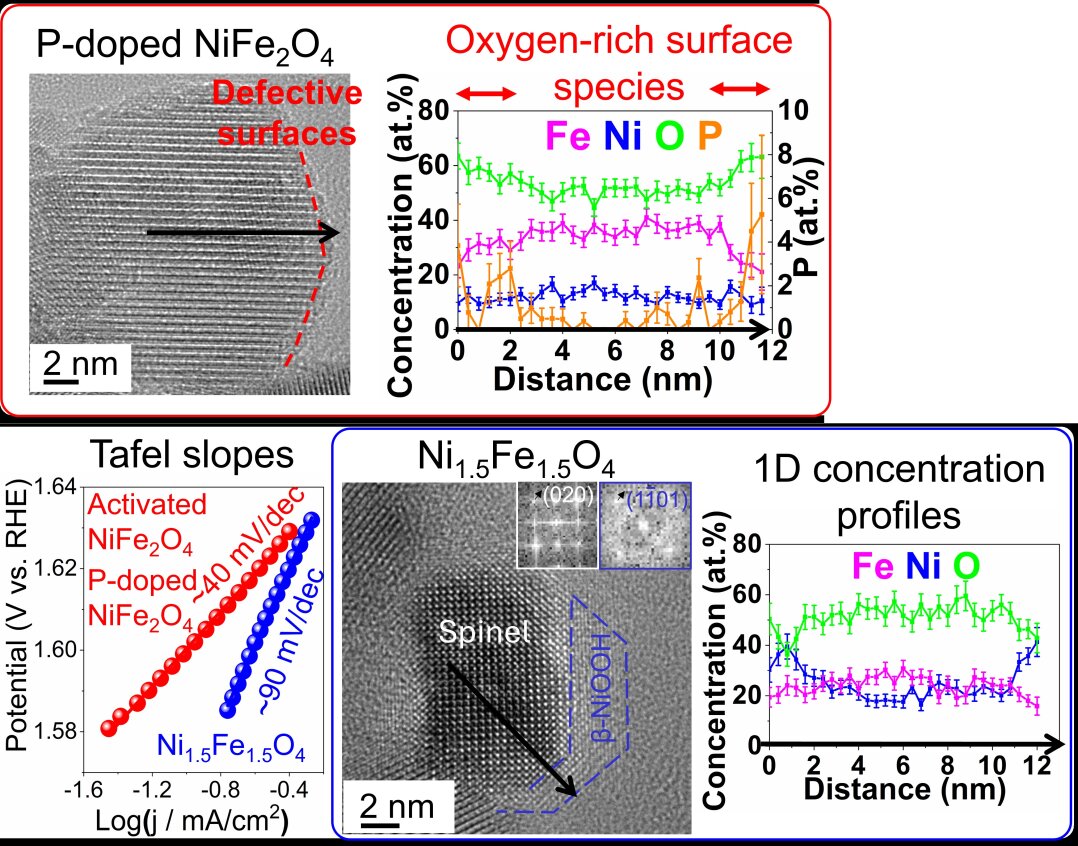
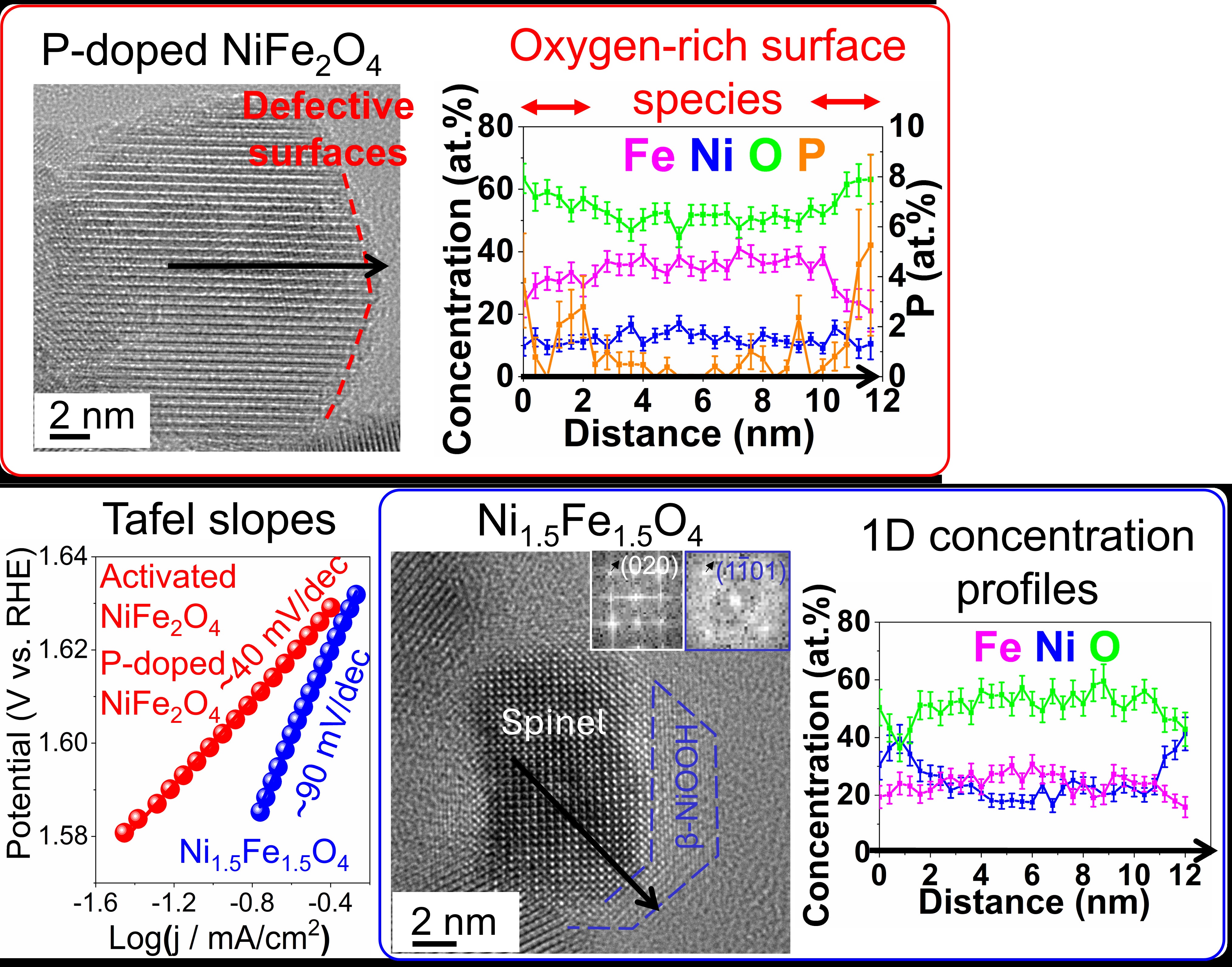
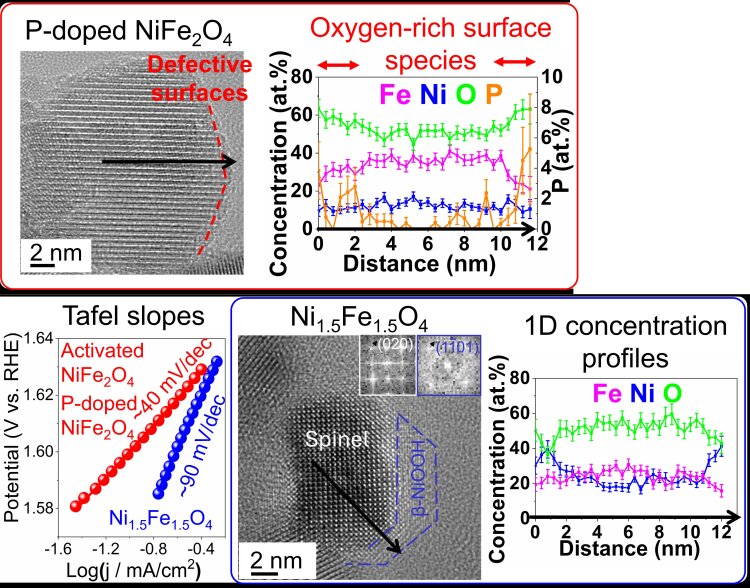
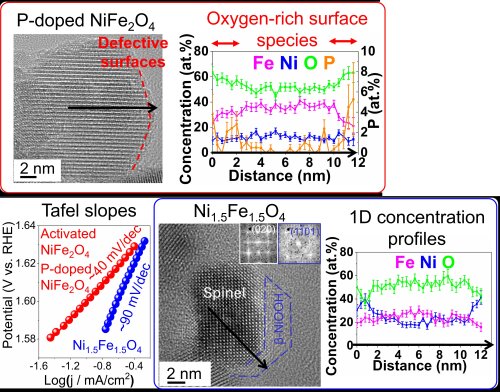
This study investigates how surface state changes in Ni-Fe spinel electrocatalysts impact their oxygen evolution reaction (OER) performance using advanced characterization techniques. It finds that NiFe₂O₄ and P-doped NiFe₂O₄ develop a defective, oxygen-rich surface layer that enhances charge transfer and lowers the Tafel slope, whereas Ni₁.₅Fe₁.₅O₄ lacks this feature, leading to inferior catalytic performance.
W. Xiang, S. Hernandez, P. Hosseini, F. Bai, U. Hagemann, M. Heidelmann, T. Li, Advanced Science (2025) 2501967.
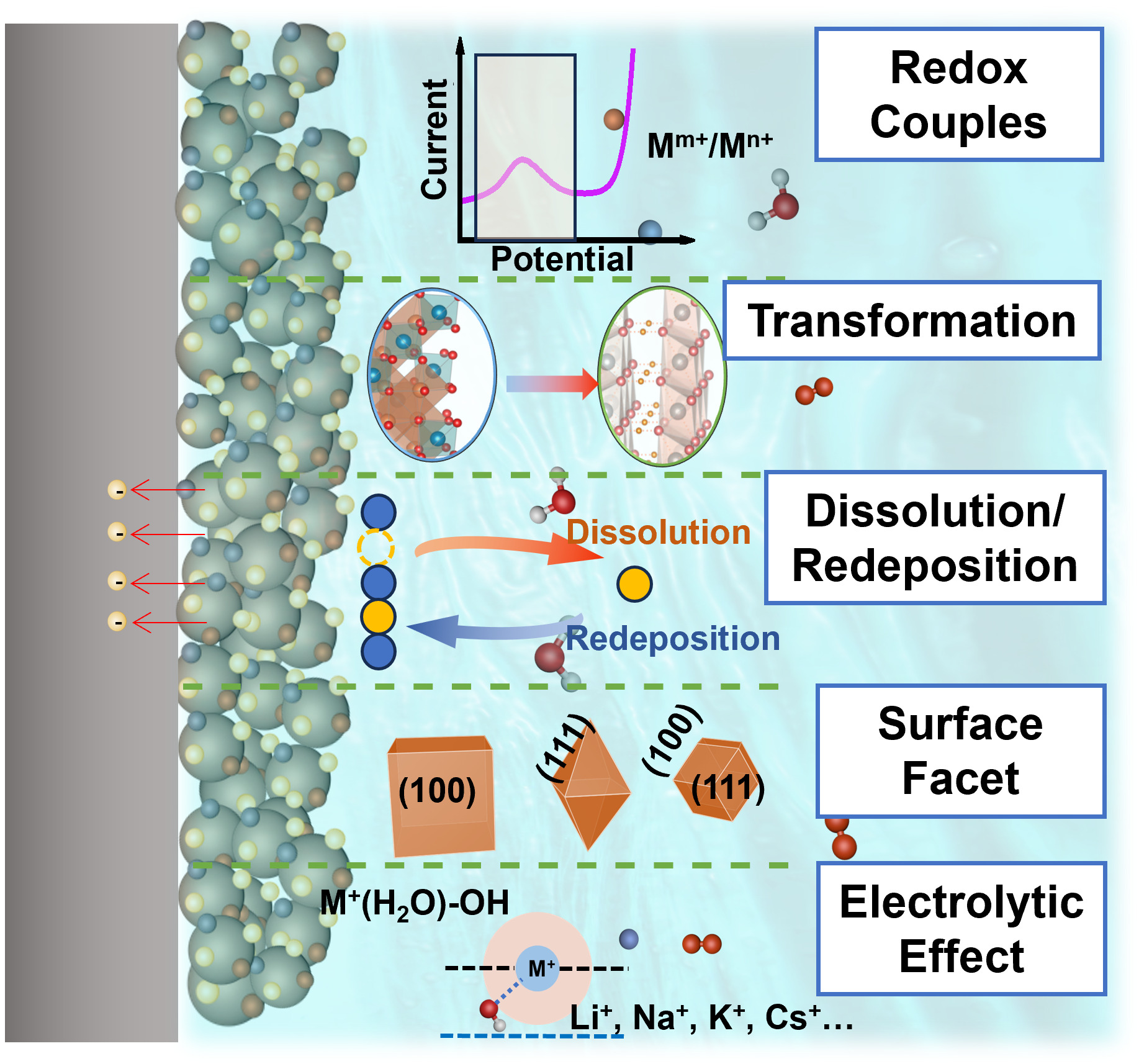
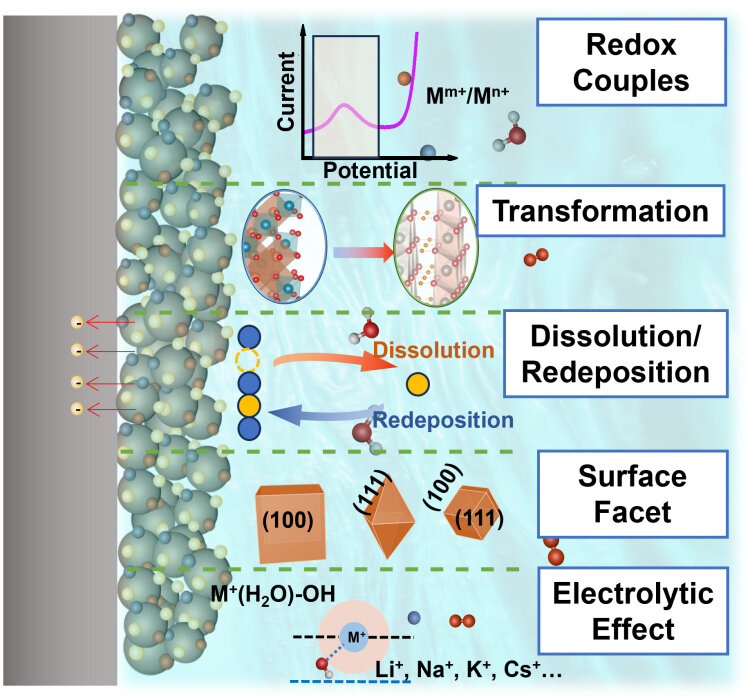
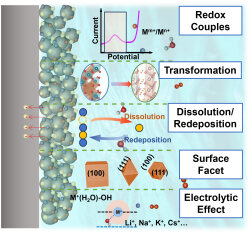
This review explores the dynamic transformations of 3d transition-metal (oxy)hydroxides and spinel-type oxides during the oxygen evolution reaction (OER), highlighting key elementary processes that impact their performance. By critically assessing oxidation, surface reconstruction, cation dissolution, and other factors, it provides insights for designing next-generation OER electrocatalysts for sustainable energy applications.
B. He, F. Bai, P. Jain, T. Li , Small, (2025) 2411479.
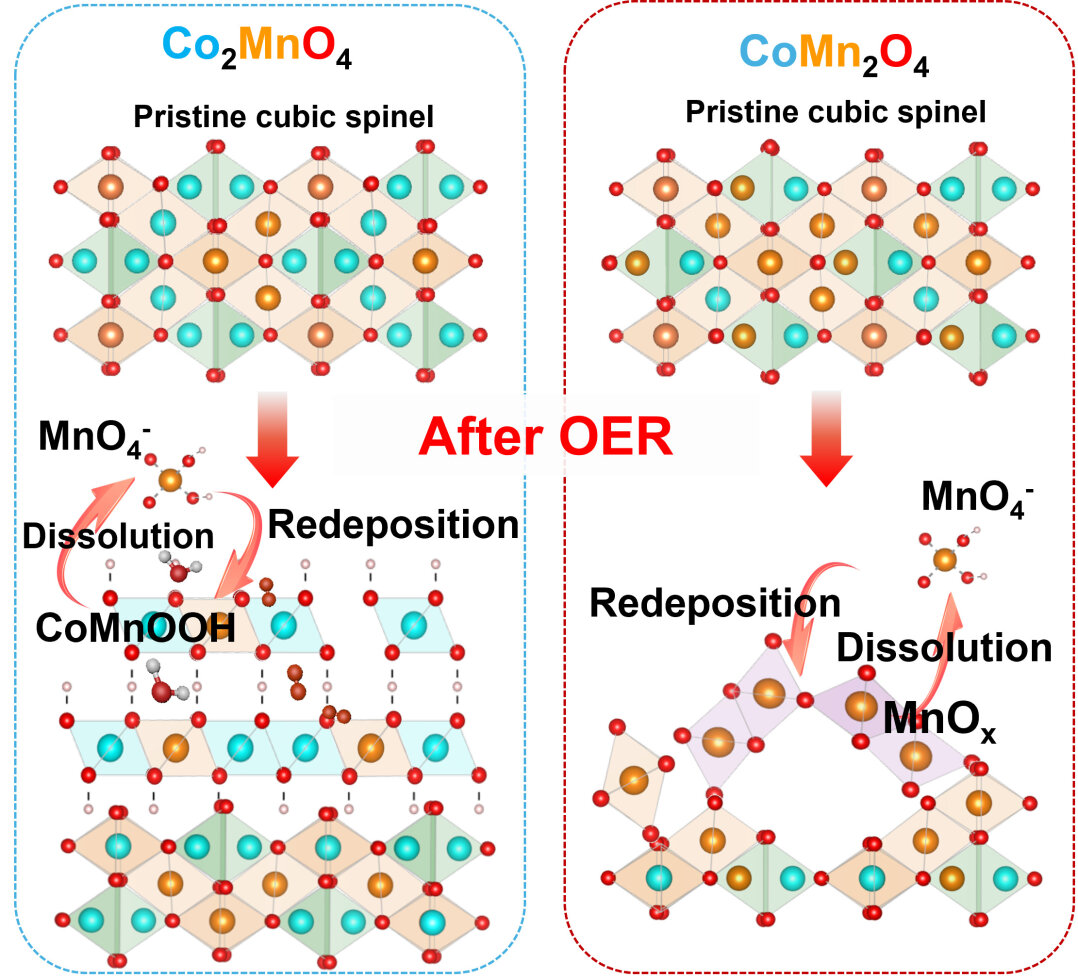
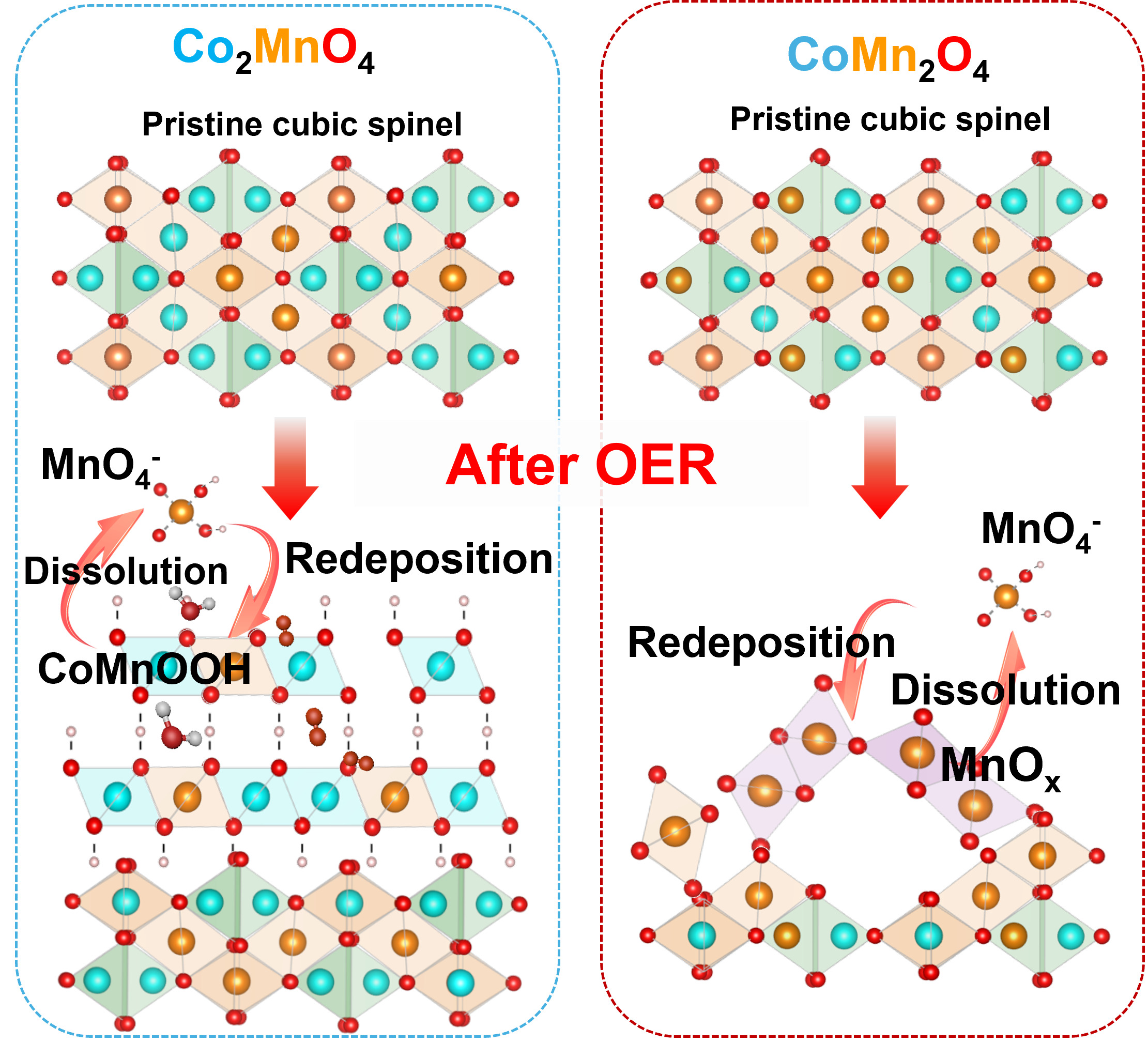
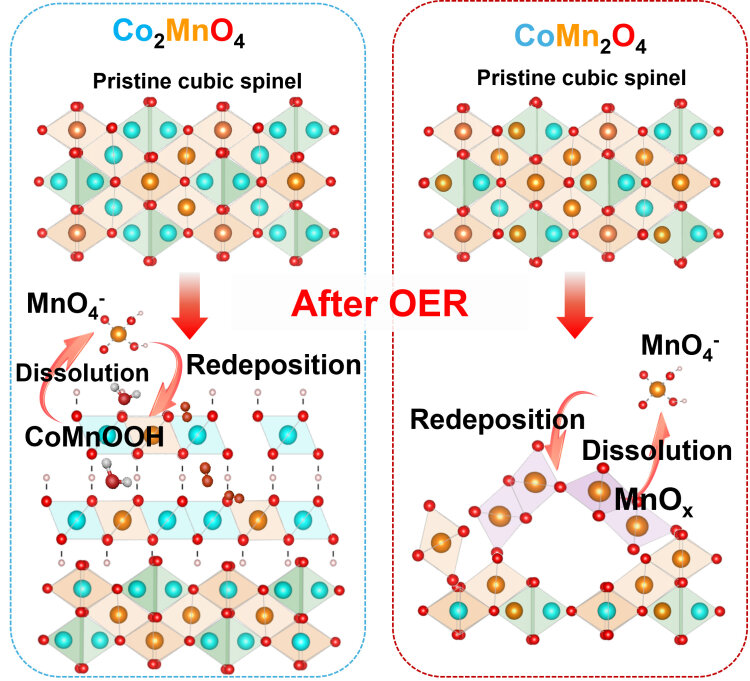
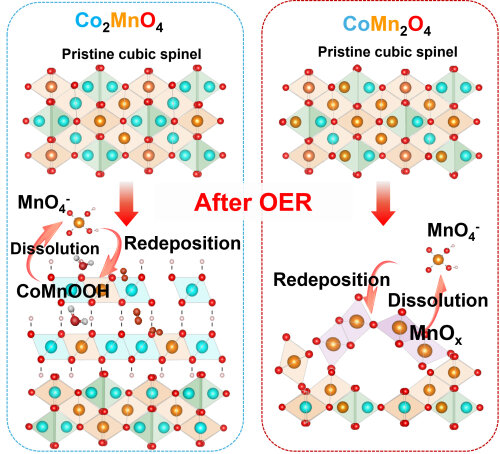
This study uses a multimodal approach to investigate how Co2MnO4 and CoMn2O4 electrocatalyst surfaces dynamically reconstruct and transform during the oxygen evolution reaction (OER). The findings reveal that Co2MnO4 forms Co-Mn oxyhydroxides with an optimal Co/Mn ratio, which enhances OER stability through Mn dissolution and redeposition, while CoMn2O4 forms less active Mn-rich oxides during the process.
B. He, P. Hosseini, D. Escalera-López, J. Schulwitz, O. Rüdiger, U. Hagemann, M. Heidelmann, S. DeBeer, M. Muhler, S. Cherevko, K. Tschulik, T. Li, Advanced Energy Materials, (2024) 2403096.
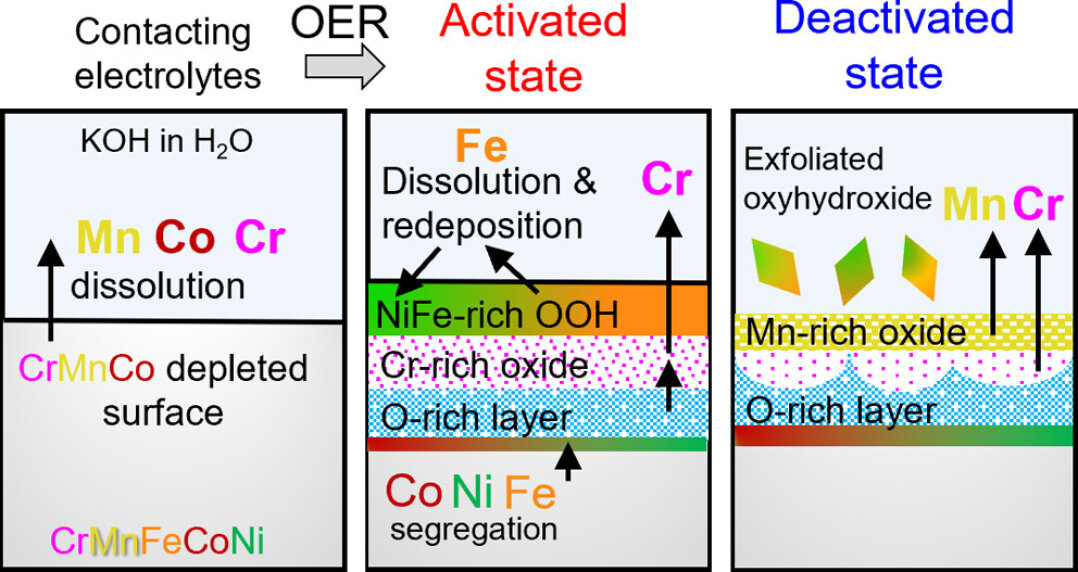
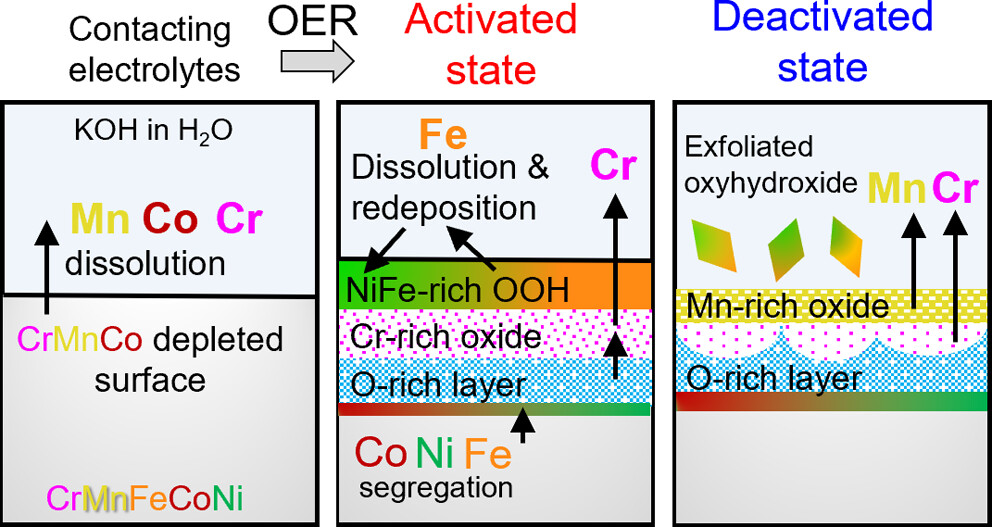
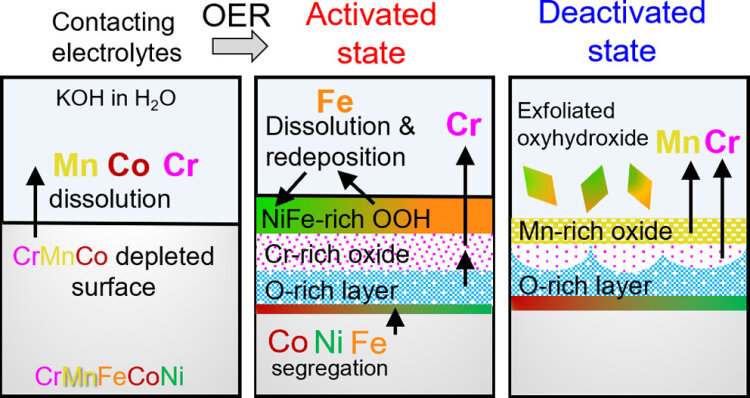
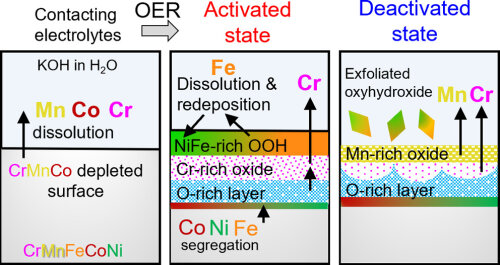
High-entropy alloys (HEAs) are promising for oxygen evolution reaction (OER) electrocatalysts, but understanding their surface and subsurface changes during OER is key to improving performance. Our study reveals that the CrMnFeCoNi Cantor alloy undergoes dissolution and complex layer formation during OER, leading to activity deterioration, highlighting the importance of structure–activity–stability relationships in HEAs.
C. Luan, D. Escalera-López, U. Hagemann, A. Kostka, G. Laplanche, D. Wu, S. Cherevko, T. Li, ACS Catalysis, 14 (2024) 12704–12716.
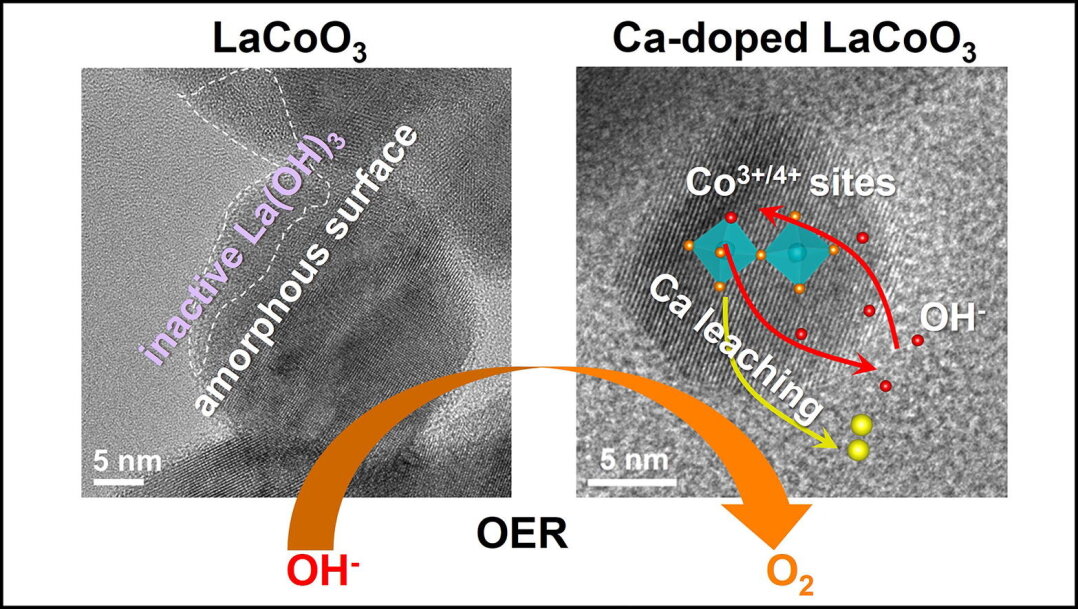
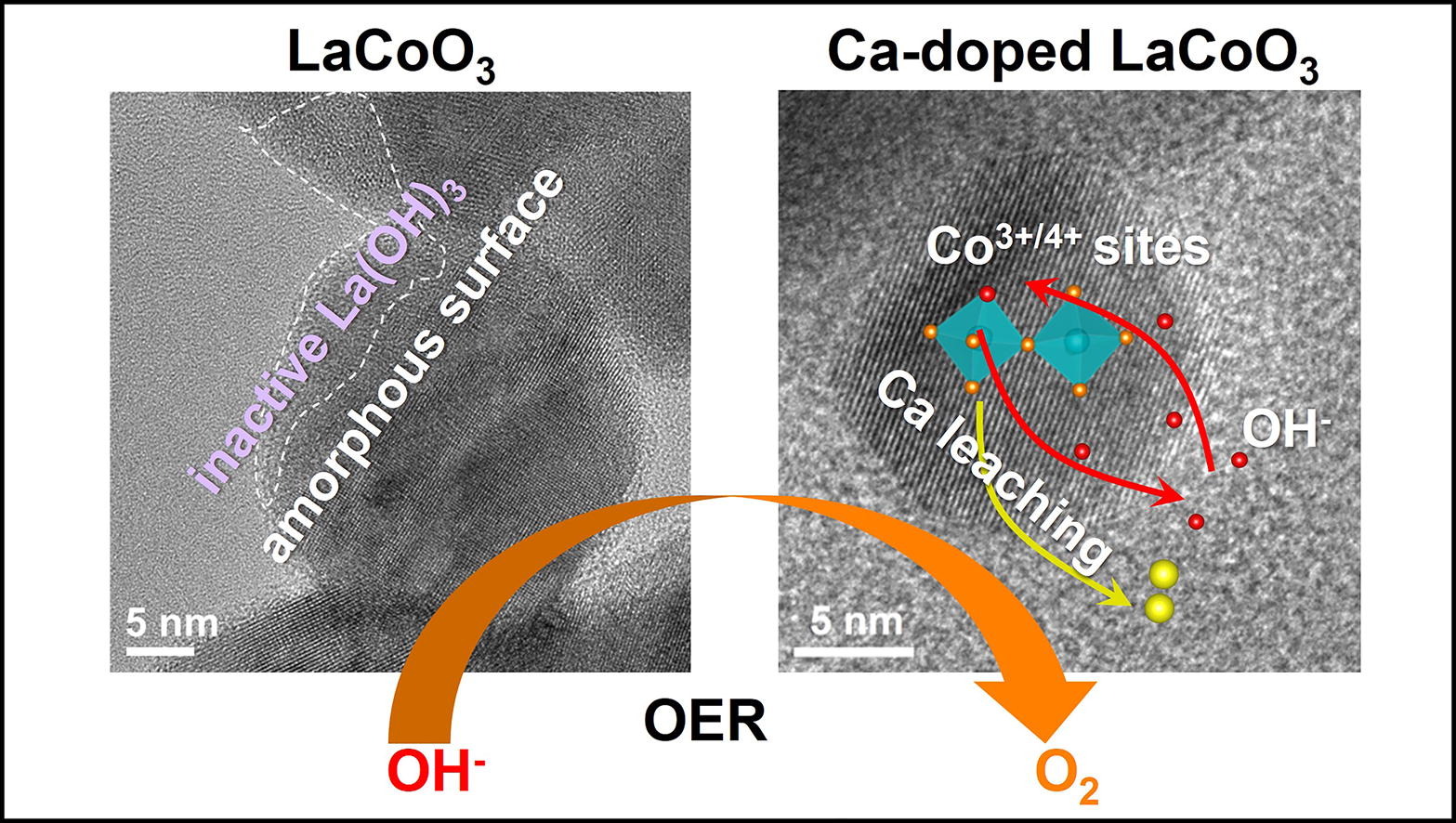
To develop efficient oxygen evolution reaction (OER) electrocatalysts, we used atom probe tomography and transmission electron microscopy to analyze LaCoO3 and Ca-doped LaCoO3 surfaces. Our findings reveal that while LaCoO3 surfaces deteriorate after OER due to the formation of amorphous La(OH)3, Ca-doped LaCoO3 shows enhanced OER activity and stability due to increased hydroxide ion intercalation and the appearance of a Co 3+/4+ redox couple.
F. Bai, J. Schulwitz, T. Priamushko, U. Hagemann, A. Kostka, M. Heidelmann, S. Cherevko, M. Muhler, T. Li, Journal of Catalysis, 438 (2024) 115697.
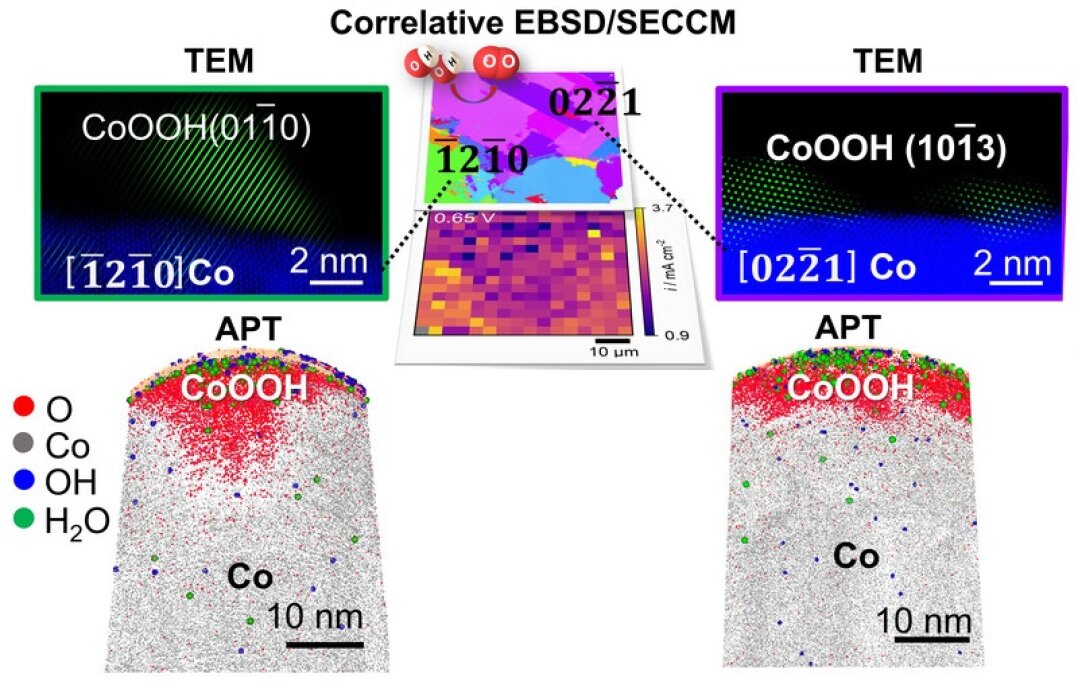
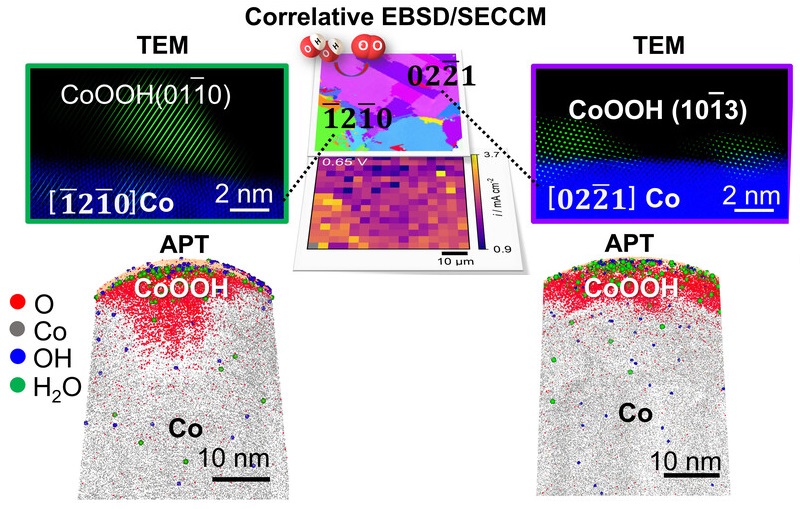
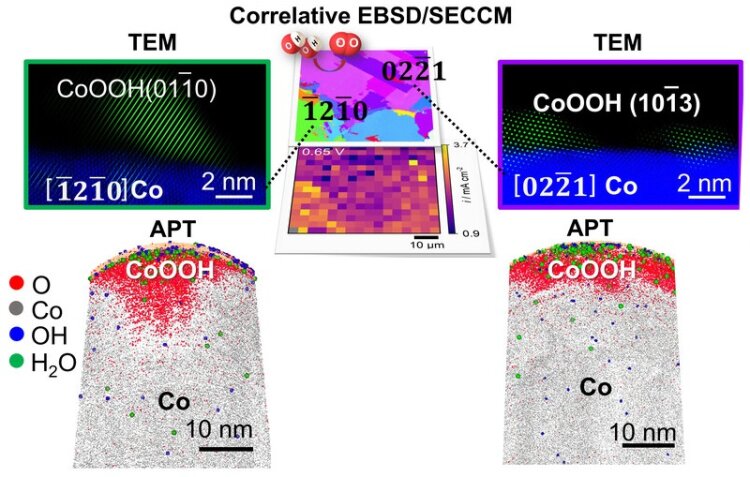
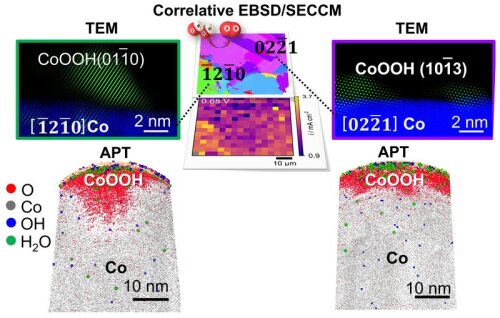
Our correlative multimodal approach can link local activity with atomic-scale details of structure, morphology and composition of surface species formed during the oxygen evolution reaction (OER). We found that 6 nm β-CoOOH(01-10) layer, grown on [-12-10]-oriented Co, contains more hydroxyl ions and easily reducible CoIII-O sites, exhibiting a higher OER activity than 3 nm thick β-CoOOH(10-13) formed on [02-21]-oriented Co.
C. Luan, J. Angona, A. BalaKrishnan, M. Corva, P. Hosseini, M. Heidelmann, U. Hagemann, E.B. Tetteh, W. Schuhmann, K. Tschulik, T. Li, Angewandte Chemie International Edition, 62 (2023).
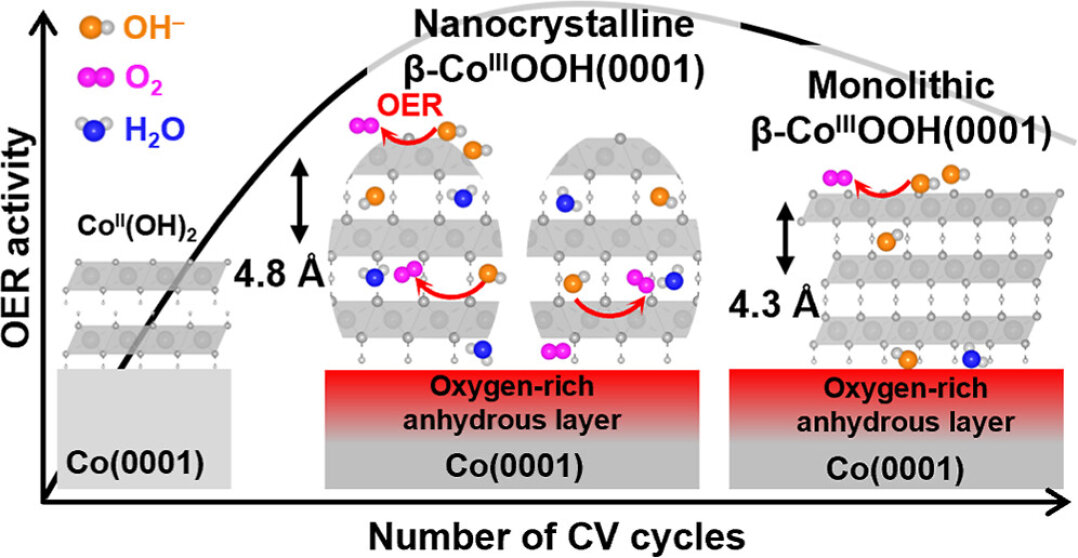
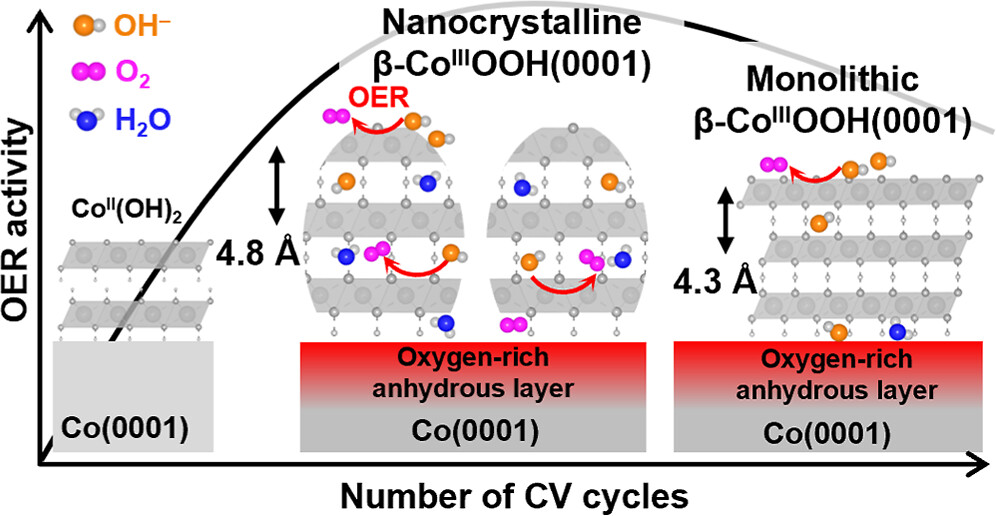
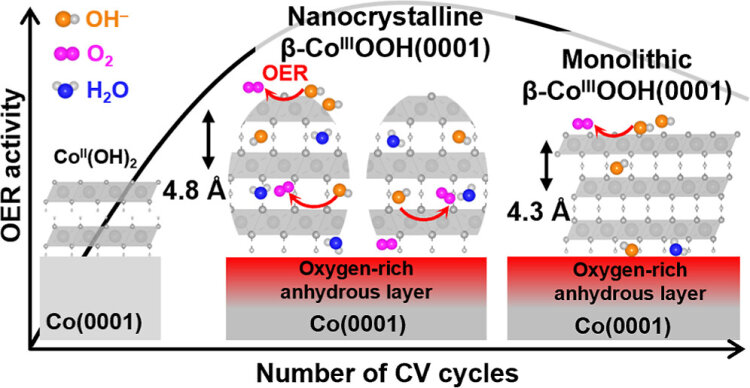
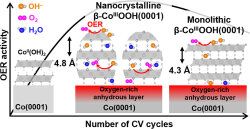
We unveil that in situ generated thin ß-CoOOh(0001) layer undergoes dynamic morphological and elemental changes along with (de)incorporation of water molecules and hydroxyl groups during OER, which in turn alters OER perfomance.
C. Luan, M. Corva, U. Hagemann, H. Wang, M. Heidelmann, K. Tschulik, T. Li; ACS Catalysis 12 (2023) 1400-1411.
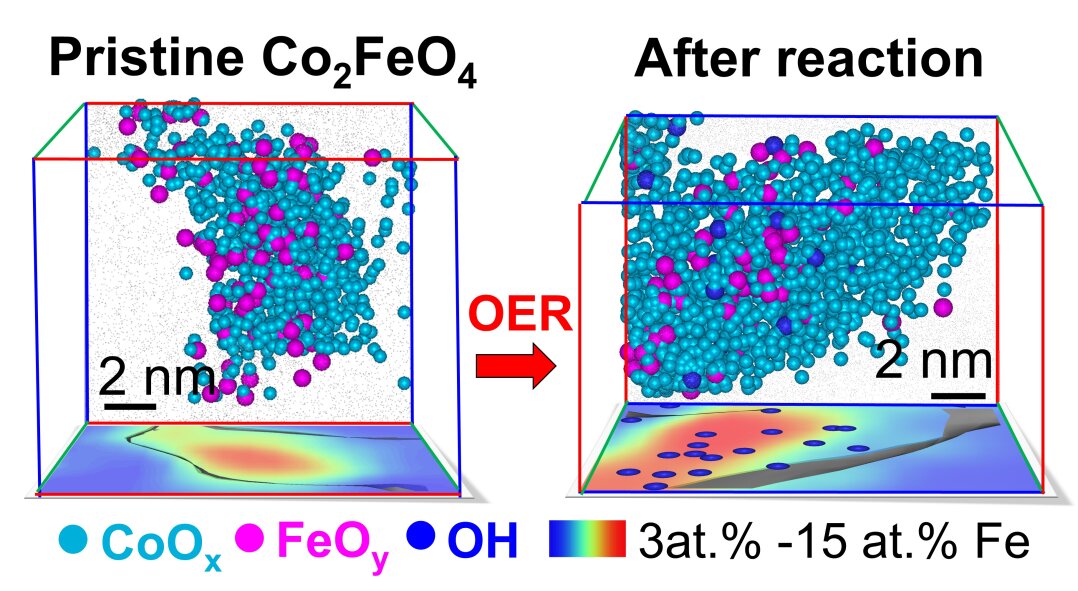
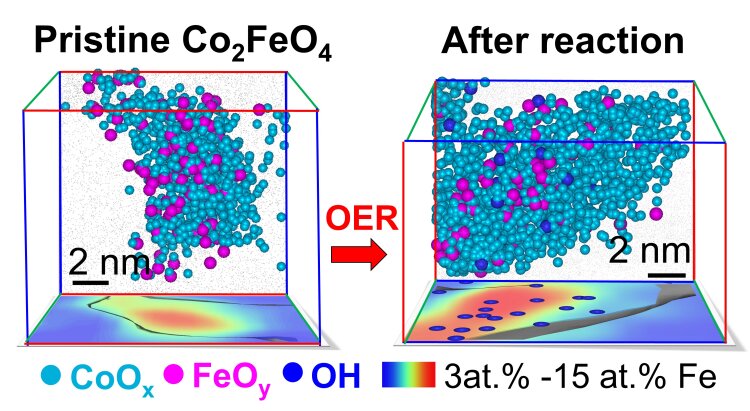
We use atom probe tomography to elucidate the 3D structure of 10 nm sized Co2 FeO4 and CoFe2O4 nanoparticles during oxygen evolution reaction (OER). We reveal nanoscale spinodal decomposition in pristine Co2FeO4.
W. Xiang, N. Yang, X. Li, J. Linnemann, U. Hagemann, O. Ruediger, M. Heidelmann, T. Falk, M. Aramini, S. DeBeer, M. Muhler, K. Tschulik, T. Li; Nature Communications 13 (2022) 179.
Copyright © Atomic-characterisation 2026
Last update: Oct 26, 2026